Palmona Plus: A Rustic Blackletter Font with Vintage Charm for Modern Design
Typography is more than just letters on a page—it’s voice, personality, and intention made visual. Among the growing library of expressive typefaces, Palmona Plus stands out as a distinctive choice that bridges centuries of typographic tradition with contemporary design needs. At its core, Palmona Plus is a rustic blackletter font—a digital revival rooted in medieval calligraphy—but it’s been thoughtfully refined to serve today’s designers, brands, educators, and creatives with both authenticity and usability.
What Is Palmona Plus—and Why Does It Matter?
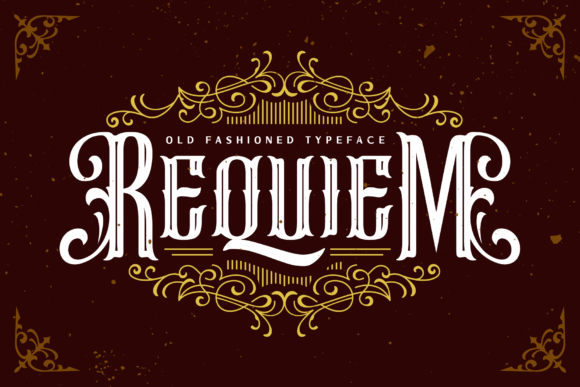
Palmona Plus belongs to the blackletter family—a style of script historically used in European manuscripts and early printed books from the 12th to 17th centuries. Unlike sleek sans-serifs or elegant serifs, blackletter fonts feature dense, angular strokes, dramatic contrast between thick and thin lines, and ornate, interwoven letterforms. Palmona Plus interprets this heritage with a vintage touch: slightly irregular stroke weights, subtle texture, and organic imperfections that evoke hand-inked parchment rather than sterile digital precision.
But here’s what sets Palmona Plus apart: it’s not a museum piece. It’s engineered for real-world use—optimized for readability at various sizes, carefully spaced for balanced word shapes, and expanded with extensive language support (including Latin, Cyrillic, and diacritical characters). This makes it far more versatile than many blackletter fonts, which often sacrifice legibility for historical accuracy.
More Than Just “Old-Fashioned”—A Tool for Intentional Design
Some assume blackletter fonts like Palmona Plus are only suitable for Halloween posters or heavy metal album covers. That’s a common misconception. In truth, Palmona Plus excels wherever designers seek to communicate heritage, craftsmanship, authenticity, or narrative depth. Its rustic character adds emotional resonance—not distraction—when applied with purpose.
Consider these practical applications:
- Branding for artisanal businesses—a small-batch bakery, a heritage leather workshop, or an independent distillery might use Palmona Plus in their logo or packaging to reinforce tradition and handcrafted quality.
- Educational materials—history textbooks, museum exhibits, or medieval literature courses gain visual cohesion when headings or chapter titles reflect the era they explore.
- Editorial design—a literary magazine might pair Palmona Plus for pull quotes or section dividers against a clean sans-serif body text, creating elegant contrast and thematic emphasis.
- Digital experiences—with proper web font implementation (WOFF2 format, responsive sizing, and fallback stacks), Palmona Plus enhances hero sections, landing page headlines, or interactive storytelling interfaces without compromising performance.
How Palmona Plus Fits Into Today’s Creative Landscape
In an age dominated by minimalist interfaces and algorithm-driven aesthetics, intentional typography has become a quiet act of resistance—and relevance. Palmona Plus doesn’t shout; it invites pause. Its vintage touch isn’t nostalgic escapism—it’s a deliberate cue that signals care, continuity, and human-centered design.
This matters especially in business contexts where differentiation is hard-won. When every competitor uses the same handful of trending sans-serifs, choosing Palmona Plus for a brand’s primary headline font can instantly elevate perceived value and memorability. Research in visual cognition shows that moderately complex, high-character fonts (like well-designed blackletters) increase information retention when used sparingly—making them powerful tools in presentations, infographics, and even e-learning modules.
Importantly, Palmona Plus avoids the pitfalls of “overly decorative” fonts. Its letterforms maintain clear recognition—even for readers unfamiliar with blackletter conventions. The lowercase a, g, and s, for example, retain intuitive shapes while preserving stylistic integrity. This balance between character and clarity is why experienced typographers recommend it for projects requiring both impact and accessibility.
Technical Strengths You Can Rely On
Behind its evocative appearance lies robust technical execution:
- OpenType features—including stylistic alternates, ligatures, and contextual swashes—allow designers to fine-tune rhythm and expression without switching fonts.
- Cross-platform compatibility—tested across macOS, Windows, iOS, and Android, ensuring consistent rendering in print, web, and app environments.
- Weight consistency—unlike many blackletter revivals that offer only one weight, Palmona Plus includes Regular and Bold variants, enabling hierarchy without abandoning its core aesthetic.
- Accessibility-aware design—generous x-height, open counters, and unambiguous character distinctions improve screen readability for users relying on zoom or assistive tech.
Common Misconceptions—Clarified
Myth: “Blackletter fonts are inaccessible.”
Reality: While poorly designed blackletters can hinder reading, Palmona Plus prioritizes functional legibility—especially at larger sizes and in controlled settings like logos, signage, or display text. It’s not intended for long paragraphs—but neither is Garamond bold or Impact.
Myth: “It only works for ‘old-timey’ themes.”
Reality: Context transforms meaning. Used alongside modern photography, bold color blocking, or dynamic layouts, Palmona Plus creates compelling tension—think luxury watch ads juxtaposing steel and script, or tech startups highlighting legacy infrastructure with forward-looking innovation.
Myth: “It’s hard to license or embed.”
Reality: Palmona Plus is available under straightforward commercial licenses—including web font kits with CSS-ready code and detailed implementation guides. Many foundries also offer trial versions for testing before purchase.
Getting Started With Palmona Plus: Practical Tips
Whether you’re a student designing your first poster or a marketing director refreshing a brand identity, here’s how to use Palmona Plus effectively:
- Start with hierarchy: Use Palmona Plus for headlines, logos, or short quotes—never body copy. Pair it with a highly legible sans-serif (e.g., Inter, Lato, or Helvetica Neue) or a neutral serif (e.g., Merriweather or Source Serif Pro).
- Respect spacing: Blackletters thrive with generous letter-spacing (tracking) and line-height. Avoid tight kerning unless using built-in OpenType ligatures.
- Test across mediums: Print samples on textured paper to appreciate its rustic charm; preview web use on multiple devices to confirm rendering fidelity.
- Think in terms of emotion: Ask, “What feeling should this convey?” If the answer is timelessness, reverence, artistry, or gravitas, Palmona Plus is likely an excellent fit.
Why Palmona Plus Endures—And Why It’s Growing in Popularity
In a world of fleeting trends, fonts like Palmona Plus endure because they answer a deeper need: the human desire for meaning through form. They remind us that design isn’t just about solving problems—it’s about telling truths, honoring roots, and inviting connection. As AI-generated visuals flood digital spaces, hand-crafted typographic choices carry renewed weight. Palmona Plus doesn’t automate personality—it amplifies it.
From indie book covers to boutique hotel signage, from university commencement programs to limited-edition vinyl releases, Palmona Plus continues to earn its place—not as a relic, but as a living tool. Its rustic blackletter soul, paired with thoughtful modern engineering, makes it more than a font. It’s a bridge. And every time you use it intentionally, you help keep that bridge strong.
Ready to explore its potential? Download a trial version or browse real-world examples in curated design galleries to see how Palmona Plus brings vintage charm—and unmistakable presence—to projects of all kinds.