Kebumen Font
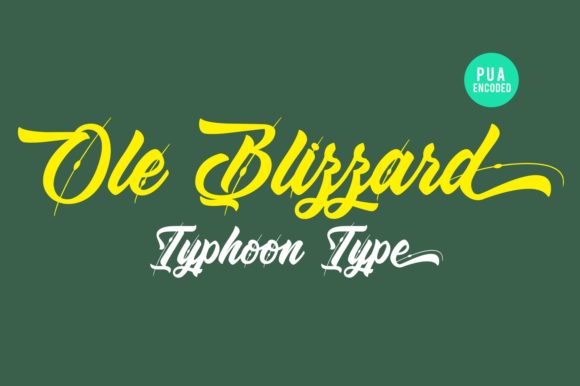
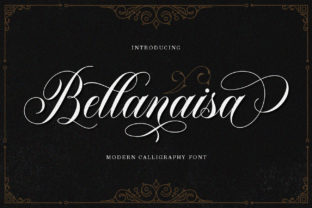
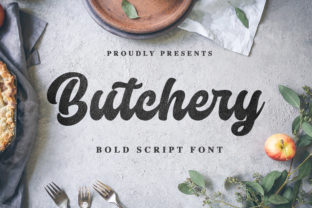
Kebumen is a handwritten typeface designed to evoke elegance and individuality. It features flowing, slightly irregular letterforms that mimic natural penmanship—subtle variations in stroke weight, soft terminals, and gentle rhythm across characters. Unlike highly stylized script fonts with dramatic flourishes, Kebumen maintains legibility at moderate sizes while preserving a personal, artisanal quality. Its design balances expressiveness with restraint, making it suitable for contexts where warmth and authenticity matter more than strict uniformity.
Why Designers Consider Kebumen
Designers often seek typefaces that convey tone as much as function. Kebumen appeals to those working on projects where human touch matters: wedding invitations, boutique branding, artisanal product packaging, editorial features on craftsmanship or heritage, or digital experiences centered around storytelling and emotion. Its distinct character stems not from ornamentation but from intentional imperfection—consistent enough to feel cohesive, varied enough to avoid mechanical repetition.
Practical Benefits of Using Kebumen
Kebumen supports Latin-based languages and includes standard OpenType features such as ligatures and contextual alternates. These help improve visual flow in longer text blocks, especially in headings or short paragraphs. Its x-height is generous, contributing to readability in print and on screen at sizes above 24px. The font’s spacing has been tuned to reduce crowding in lowercase combinations, supporting smoother word shapes without sacrificing its organic feel.
Because Kebumen is a single-weight, non-variable font, file size remains small—typically under 100 KB—which helps maintain web performance when self-hosted. It also avoids the complexity of variable axis management, simplifying implementation for developers unfamiliar with advanced typographic controls.
Tradeoffs and Realistic Expectations
Kebumen is not optimized for extended body text. Its handwritten nature limits its effectiveness below 16px, particularly in UI interfaces or dense layouts where clarity and scanning speed are priorities. It lacks bold, italic, or condensed variants, so pairing it with a complementary sans serif or serif for hierarchy and contrast is usually necessary—not optional.
Its stylistic consistency depends on proper rendering. Some browsers or older operating systems may not fully support OpenType features like contextual alternates, leading to less nuanced output than intended. Previewing across devices and platforms remains essential before final deployment.
Also, while Kebumen feels distinctive, its aesthetic sits firmly within the “elegant script” category. Designers seeking something more experimental—such as deconstructed letterforms, monolinearity, or cultural specificity beyond Western handwriting traditions—may find its scope limited.
When Kebumen Is a Strong Fit
- Branding for lifestyle or craft-oriented businesses: A ceramics studio, small-batch coffee roaster, or independent bookshop may use Kebumen for logotypes or signage to reinforce values like care, tradition, and handmade quality.
- Editorial emphasis in print or digital publications: Magazine feature titles, pull quotes, or section headers benefit from Kebumen’s ability to draw attention without overwhelming surrounding content.
- Personal or expressive digital projects: Portfolios, creative resumes, or personal websites aiming for a curated, intimate voice often pair Kebumen with ample whitespace and muted color palettes to amplify its effect.
- Limited-run physical materials: Wedding stationery, art exhibition posters, or poetry chapbooks gain tactile resonance when printed with Kebumen, especially on textured paper stocks that complement its hand-drawn sensibility.
When Alternatives May Be More Appropriate
Kebumen’s strengths lie in specific expressive roles—not universal utility. For example, if your project requires multilingual support beyond Latin scripts (e.g., Greek, Cyrillic, or Vietnamese diacritics), you’ll need to verify coverage or consider alternatives with broader language sets. Similarly, accessibility guidelines recommend higher contrast and predictable letter shapes for users with dyslexia or low vision; Kebumen’s fluid forms may pose challenges in those contexts without careful layout planning.
If your interface demands dynamic typography—such as responsive font weights adjusting to viewport size or user preference—Kebumen’s static nature becomes a constraint. Variable fonts like Playfair Display or DM Serif Display offer similar elegance with greater flexibility.
For projects needing strong visual contrast between heading and body text—but where both elements must feel equally intentional—a dual-font system with a purpose-built script like Kebumen paired with a neutral, highly legible companion (e.g., Inter, Source Sans Pro, or IBM Plex Sans) often yields better results than forcing Kebumen into functional roles it wasn’t designed for.
Making an Informed Choice
Evaluating Kebumen should begin with clarifying your project’s primary goal: Is it to communicate information efficiently—or to evoke feeling and identity? If the latter dominates, Kebumen deserves serious consideration. Test it early in mockups—not just as isolated text, but embedded in real layouts alongside images, colors, and other typefaces. Pay attention to how it performs at intended sizes and in target mediums (print vs. screen, high-resolution vs. mobile).
Check licensing terms carefully. While many sources offer Kebumen for personal use, commercial deployment—especially in SaaS products, client work, or embedded applications—often requires separate permissions. Confirm whether web use includes self-hosting rights or relies on third-party font services.
Finally, compare Kebumen against two or three alternatives with similar intent but different execution. Try swapping it with fonts like Allura, Dancing Script, or Pacifico in identical contexts. Differences in rhythm, x-height, and terminal treatment become apparent only through side-by-side evaluation—not theoretical description.
Kebumen offers a refined, human-centered option among script fonts—not the most versatile, but one that delivers consistent elegance when matched thoughtfully to purpose, audience, and medium.