Hello Friends
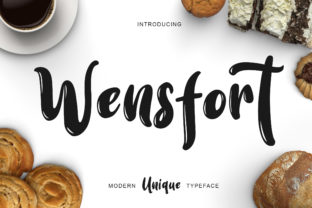
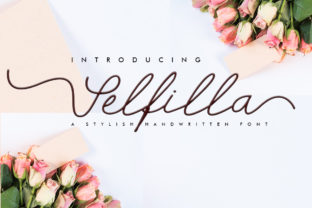
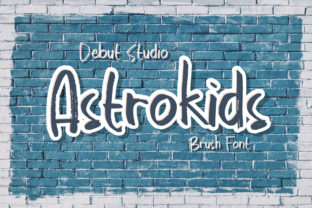
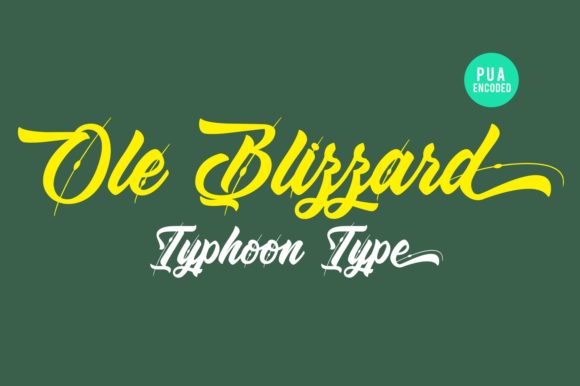
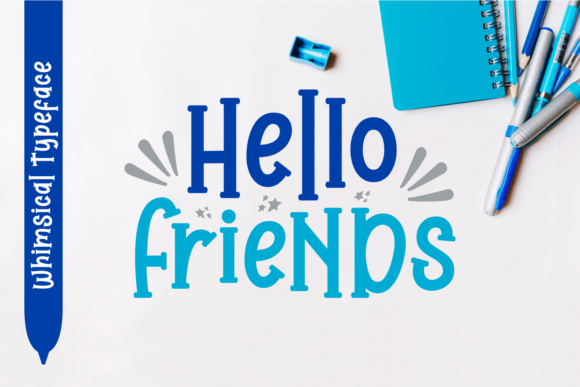
There’s something quietly powerful about a font that feels like a warm handshake—unforced, sincere, and instantly disarming. Hello Friends is exactly that: a fun and beautiful handwritten font with an incredible feel. It doesn’t shout for attention; it leans in, smiles, and invites connection. Designed with natural rhythm and expressive contrast, its bold strokes carry energy without sacrificing legibility, while its gentle irregularities echo the warmth of human handwriting. That balance—between personality and practicality—is why designers, educators, small business owners, and content creators are reaching for Hello Friends not just for one-off social posts, but as a deliberate part of their visual voice.
Why Handwriting Fonts Are Resonating—Now More Than Ever
We’re living through a quiet recalibration of digital tone. After years of sleek minimalism and algorithm-optimized uniformity, many audiences are responding more deeply to cues of authenticity, care, and human presence. This isn’t about rejecting polish—it’s about adding dimension. Handwritten fonts like Hello Friends serve as subtle emotional anchors in otherwise sterile interfaces: a welcome banner on a course landing page, a handwritten note embedded in an email sequence, or even a tactile label on artisan packaging. Research in digital communication shows that perceived warmth directly influences trust and retention—especially among adults aged 25–45 who juggle multiple platforms daily and filter content rapidly. Hello Friends meets that need not by mimicking imperfection for its own sake, but by offering intentional, confident humanity.
From Decoration to Design Strategy
A decade ago, handwritten fonts were often relegated to “cute” or “crafty” niches—wedding invites, café chalkboards, or kids’ activity sheets. Today, they’re stepping into strategic roles: brand differentiation, accessibility reinforcement, and emotional scaffolding. Consider how a freelance educator uses Hello Friends for slide headers in online workshops—not to look playful, but to soften cognitive load. Or how a local bakery swaps its generic sans-serif logo lockup for Hello Friends in seasonal signage, reinforcing community familiarity without changing core branding. These aren’t gimmicks. They’re low-cost, high-impact adjustments grounded in how people actually process information: we recognize expressive letterforms faster when context signals approachability—and we remember them longer when they align with tone.
Practical Use Cases Across Roles
- Marketers and small business owners: Use Hello Friends for limited-scope emphasis—CTA buttons, testimonial pull quotes, or email subject lines—to guide attention without overwhelming. Avoid full-body text; pair it with a clean, highly legible sans-serif (like Inter or Open Sans) for balance.
- Educators and course creators: Apply it selectively in slide decks or downloadable worksheets where warmth supports engagement—think “Your Turn!” prompts or reflection questions. Its friendly weight helps signal invitation, not instruction.
- Bloggers and content writers: Embed Hello Friends in custom graphics for Pinterest or Instagram carousels—especially for tips, checklists, or affirmations. Its boldness holds up well at smaller sizes on mobile, unlike many delicate script fonts.
- Freelancers and designers: Treat it as a tonal accent, not a system font. Test contrast ratios rigorously if used over photos or textured backgrounds—its thick strokes can lose definition if luminance contrast falls below 4.5:1.
How Hello Friends Fits Into Evolving Creative Workflows
Modern design tools have lowered barriers—but also raised expectations for speed *and* nuance. With variable font support expanding across platforms like Figma, Webflow, and Canva, users increasingly expect expressive type to behave predictably: responsive sizing, consistent hinting, and reliable rendering across devices. Hello Friends was built with these realities in mind. Its OpenType features include contextual alternates that subtly vary letterforms (like different ‘a’ or ‘g’ shapes) to avoid repetition fatigue—a detail that matters most in longer headlines or repeated branding elements. Unlike some handwritten fonts that rely heavily on ligatures or manual kerning overrides, Hello Friends ships with robust default spacing, reducing setup time without sacrificing charm.
This reliability makes it viable beyond static assets. For example, a solopreneur building a Notion dashboard for client onboarding might use Hello Friends for section dividers and milestone labels—leveraging its friendliness to reduce friction in what’s often a transactional process. Similarly, developers integrating custom fonts into lightweight web projects appreciate that Hello Friends offers a single, well-hinted WOFF2 file under 60KB—small enough to load fast, yet rich enough to retain character at scale.
What’s Changed—And Why It Matters
Handwritten fonts used to be judged primarily on aesthetic novelty. Today, they’re evaluated on functional empathy: Does this typeface help the message land? Does it support—not distract from—the user’s goal? Hello Friends reflects that shift. Its boldness isn’t theatrical—it’s functional clarity. Its curves aren’t arbitrary—they’re paced to guide the eye smoothly across words. Even its lowercase ‘f’, with its generous crossbar and open counters, improves recognition in quick-glance contexts like mobile notifications or thumbnail text.
This evolution mirrors broader changes in how professionals approach visual communication. A graphic designer no longer asks, “Does this look cool?” but “Does this make the next step easier for the person seeing it?” A teacher doesn’t ask, “Is this engaging?” but “Does this lower the barrier to participation?” Hello Friends answers both—not by being everything, but by doing one thing exceptionally well: making written language feel like it’s speaking *with* you, not *at* you.
Realistic Recommendations—Not Rules
Like any expressive tool, Hello Friends works best when matched to intent—not trend. Here’s what holds up in practice:
- Start small. Try it in a single, high-visibility place first—a newsletter header, a workshop title, or a printed thank-you card. Observe how people respond before scaling usage.
- Respect hierarchy. Its strength lies in contrast. Pair it with neutral, highly readable typefaces for body copy. Never set paragraphs in Hello Friends; its charm fades with density.
- Test in context—not isolation. Preview it where your audience will see it: on a phone screen during commute hours, printed on recycled paper, or overlaid on a busy background image. Adjust tracking or size based on real conditions, not mockups alone.
- Consider licensing early. While free versions exist, commercial use—especially embedded in client deliverables or SaaS platforms—requires clear rights. The standard license covers most small-team needs; enterprise deployments may need extended terms.
Ultimately, Hello Friends isn’t about nostalgia for analog tools. It’s about carrying forward a fundamental truth: people connect through resonance, not perfection. In a world saturated with AI-generated content and templated visuals, choosing a font that feels hand-tuned—confident, kind, and unmistakably human—is a quiet act of intention. It won’t solve complex business challenges on its own. But it can make the space where those challenges are discussed feel a little more open, a little more shared, and yes—a little more like saying hello to someone you’re genuinely glad to see.