Bantimange: Bold Script, Powerful Presence
If you’ve ever scrolled past a wedding invitation, boutique packaging, or an artisanal coffee bag and paused—just for a second—because the lettering felt *alive*, you’ve likely encountered the kind of impact Bantimange delivers. It’s not just another script font. Bantimange is a premium font built for moments that demand attention without apology: confident, fluid, and unapologetically bold.
A Script That Swashes With Purpose
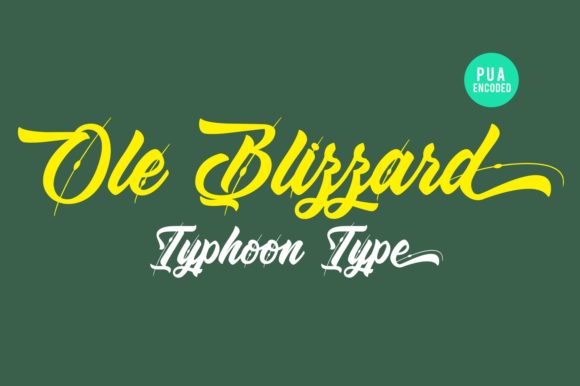
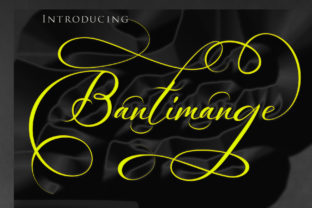
Bantimange is a modern script font—but don’t mistake it for delicate cursive or casual handwriting. Its thick, high-contrast strokes carry serious weight. The downstrokes are deep and assertive; the upstrokes taper with precision. What truly sets it apart are its expressive swashes: long, elegant flourishes on capitals like B, T, M, and G (yes, that’s where the name nods). These aren’t decorative afterthoughts—they’re structural elements that guide the eye, add rhythm, and reinforce personality.
It reads as both timeless and contemporary: think vintage apothecary labels reimagined for a Brooklyn candle brand, or a luxury skincare line that wants warmth *and* authority. There’s no wobble, no uncertainty in its lines—it feels hand-drawn by someone who’s mastered their craft, not approximated by algorithm.
Where Bantimange Earns Its Place
This isn’t a font for body text—or even subheadings. Bantimange is a display font, designed for short, high-impact applications where tone and memorability matter more than volume. Think:
- Logo design for creative studios, bakeries, florists, or independent fashion labels—especially when the brand voice balances elegance with strength.
- Editorial design in magazine covers, limited-run zines, or book jackets where typography is part of the storytelling.
- Packaging design for small-batch goods: hot sauce labels, handmade soap tags, craft beer cans—anywhere shelf presence hinges on distinct visual character.
- Social media graphics for quote cards, event announcements, or seasonal campaigns where a single word (“New,” “Limited,” “Handmade”) needs to land with gravitas.
- Print collateral like wedding stationery, gallery invites, or boutique business cards—where tactile quality meets typographic intention.
It works less well in dense web interfaces, long-form blog posts, or apps requiring fast scanning. Its power comes from restraint—not repetition.
How It Shapes Perception—Without Saying a Word
Typography quietly steers how people feel about your work before they read a single sentence. Bantimange communicates confidence, craftsmanship, and considered detail. That matters—especially for small businesses competing on authenticity, not scale. A café using Bantimange on its chalkboard menu signals intentionality. A designer using it for a client’s monogram tells stakeholders: “We value distinction.”
It also strengthens visual hierarchy. When paired with a clean sans serif (like Montserrat, Inter, or Poppins), Bantimange becomes the anchor—the emotional hook—while the supporting type handles clarity and flow. That contrast builds professionalism without stiffness. And because its swashes are consistent in angle and energy, it supports brand recognition across touchpoints: same rhythm on Instagram Stories, same weight on a tote bag, same confidence on a receipt stamp.
Practical Tips Before You Type
Before dropping Bantimange into your next project, ask three quiet questions:
- Is this moment meant to be felt, not skimmed? If yes—proceed. If you need users to scan quickly or digest complex information, choose a highly legible serif or sans serif instead.
- Does the brand already have a voice—or is this font helping define one? Bantimange doesn’t blend. It declares. Use it when alignment with values like artistry, heritage, or bold individuality is non-negotiable.
- What’s the output medium? On screen, test at real sizes—not just mockups. Its thick strokes hold up well on retina displays, but very small caps (under 24px) can lose definition. For print, it shines—especially on uncoated stock, where ink spread enhances its richness.
Pairing It Right—No Guesswork Needed
Bantimange thrives in contrast. Avoid pairing it with other scripts or overly decorative fonts—they’ll compete, not complement. Instead, lean into grounded, neutral partners:
- A geometric sans serif (e.g., Helvetica Now or Clash Grotesk) for crisp, modern balance.
- A warm humanist sans (like FF Meta or Work Sans) if you want approachability alongside authority.
- A low-contrast serif (such as Freight Text or Recoleta) for editorial depth—ideal for book interiors or long-form brand narratives.
Test spacing carefully. Bantimange’s swashes need breathing room—tight tracking kills its flow. Kerning adjustments often help, especially around letters with wide exits (like T or F). Most professional font files include OpenType features—enable stylistic alternates or swash glyphs directly in Figma, Illustrator, or Adobe apps.
Licensing & Real-World Readiness
Bantimange is a commercial font, meaning personal use (like a hobby blog or printed poem) may be covered under basic licenses—but anything tied to revenue requires verification. Check the foundry’s terms: does it cover web embedding? App usage? Merchandise resale? Some licenses limit impressions per month; others grant unlimited use across platforms. When in doubt, purchase the extended license. It’s cheaper than a redesign after a cease-and-desist.
Also note: Bantimange typically ships with one weight (Regular) and includes uppercase, lowercase, numerals, punctuation, and extensive swash alternates. There’s no bold or italic variant—its boldness is baked in. That’s intentional. Don’t try to fake weight with CSS font-weight: 900; it distorts proportions and weakens impact.
Finally—print a test run. See how the swashes interact with your paper stock, ink, and finishing (foil stamp? emboss?). Digital previews lie sometimes. Paper tells the truth.